

Eyelash enhancement in Beverly Hills includes surgical and nonsurgical treatments designed to improve the appearance of thin, short, or missing eyelashes. These procedures may help create fuller-looking lashes and enhance natural eye definition.
Treatment options include eyelash hair transplantation and prescription lash-growth medications. The right approach depends on individual needs, medical history, and desired results.
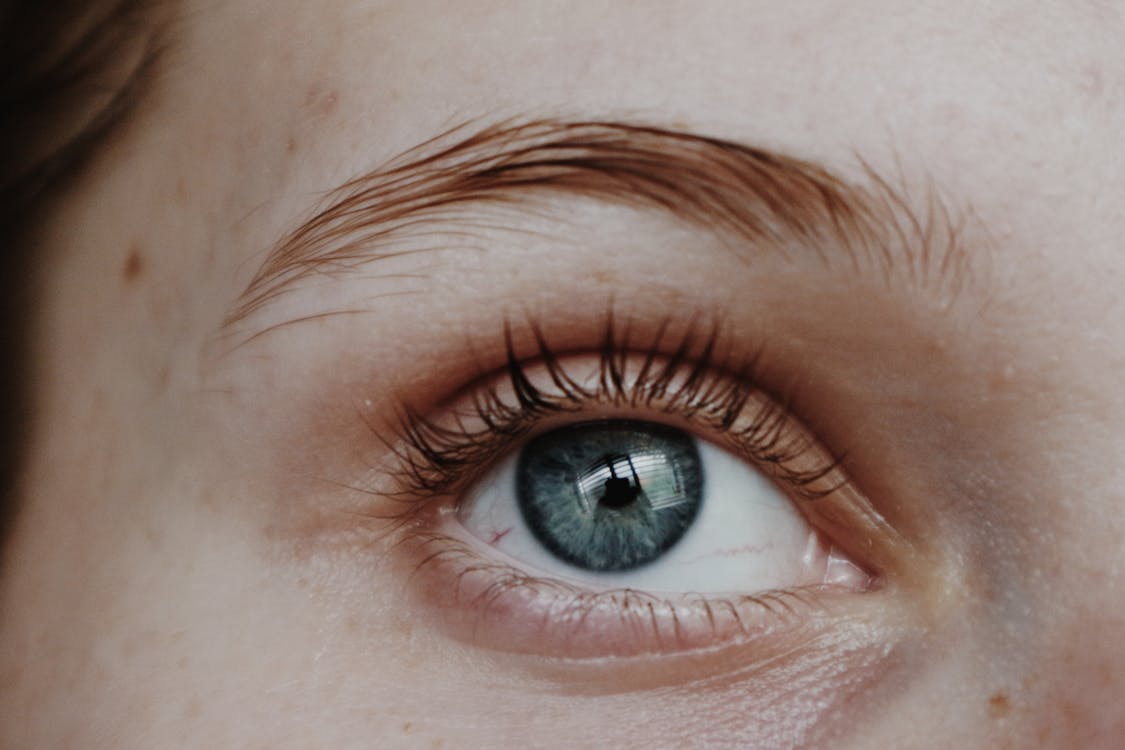
Eyelash Enhancement Procedure
Eyelash enhancement may involve surgical transplantation or nonsurgical lash-growth treatment.
Eyelash Transplant Surgery: A surgeon removes suitable hair follicles, typically from the scalp, and carefully implants them along the eyelid. The procedure requires precise placement to achieve a natural lash direction.
Nonsurgical Treatment: Prescription bimatoprost, commonly known as LATISSE®, may help eyelashes grow longer, thicker, and darker. It should be used only as directed by a qualified healthcare professional.
Possible medication side effects include eye irritation, eyelid pigmentation changes, and other changes around the eyes.
How Much Does Eyelash Enhancement Cost?
The original article estimates eyelash transplant surgery at approximately $2,000. Actual pricing in Beverly Hills may vary depending on the surgeon, treatment complexity, anesthesia, and facility fees.
Nonsurgical products have different costs depending on the prescription, brand, and treatment duration. Cosmetic eyelash enhancement is generally not covered by insurance.
Who Can Consider Eyelash Enhancement?
Eyelash enhancement may be appropriate for individuals who have:
- Thin or naturally sparse eyelashes.
- Missing lashes caused by injury or trauma.
- Reduced lash growth associated with certain medical conditions.
- A desire for fuller or more defined eyelashes.
A medical evaluation is important, especially when lash loss is caused by an underlying health condition.
How to Choose a Qualified Cosmetic Surgeon
Eyelash transplantation requires specialized surgical experience because the procedure involves the delicate eyelid area.
- Verify the surgeon’s qualifications and licensing.
- Ask about experience with eyelash transplantation.
- Review realistic results and potential complications.
- Discuss available nonsurgical alternatives.
What Happens Before Eyelash Enhancement Surgery?
Before surgery, your provider will review your medical history, examine your eyelids, and explain the procedure, expected results, and possible risks.
You may receive instructions about smoking, medications, skincare, and transportation. Follow your surgeon’s recommendations and never stop prescribed medication without medical guidance.
What Happens After Eyelash Enhancement Surgery?
Mild swelling, redness, tenderness, and small crusts may occur around the transplanted follicles during the early healing period.
- Keep the treated area clean as instructed.
- Avoid rubbing or scratching the eyelids.
- Use prescribed medications as directed.
- Avoid eye makeup until your surgeon approves.
- Attend scheduled follow-up appointments.
Contact your healthcare provider if you experience worsening pain, vision changes, or signs of infection.
What Results Can You Expect?
After eyelash transplantation, some transplanted hairs may shed before new growth begins. Visible growth can take several months, and results vary by patient.
Transplanted scalp hair may continue growing and require regular trimming. Potential complications include misdirected hairs, irritation, and unsatisfactory growth.
Prescription lash-growth treatments require ongoing use to maintain their benefits. Results generally diminish after treatment stops.
A consultation with an experienced specialist can help determine the most suitable eyelash enhancement option for your goals.


