

Tummy tuck surgery in Beverly Hills, also known as abdominoplasty, is a cosmetic procedure that removes excess abdominal skin and may tighten separated abdominal muscles to create a smoother, firmer-looking stomach.
A tummy tuck may help individuals with loose skin following pregnancy, significant weight changes, or aging. However, it is not a weight-loss procedure or a substitute for healthy lifestyle habits.
What Is a Tummy Tuck (Abdominoplasty)?
A tummy tuck is a body-contouring surgery designed to remove loose abdominal skin and, when appropriate, repair weakened or separated abdominal muscles.
Common reasons for considering abdominoplasty include pregnancy, aging, significant weight loss, and changes in abdominal skin elasticity.
Tummy Tuck Procedure and Techniques
Different abdominoplasty techniques are available depending on the amount of excess skin, abdominal muscle condition, and treatment goals.
Traditional Tummy Tuck
A full tummy tuck removes excess skin from the abdomen and may tighten separated abdominal muscles. The belly button is typically repositioned to maintain a natural appearance.
Mini Tummy Tuck
A mini tummy tuck focuses on loose skin below the belly button. It generally involves a shorter incision and may not require navel repositioning.
Extended Tummy Tuck
An extended tummy tuck addresses excess skin across the abdomen and sides of the waist. It may be suitable for patients following substantial weight loss.
Circumferential Body Lift
A circumferential body lift removes excess skin around the abdomen, hips, and lower back. It involves more extensive incisions than a standard tummy tuck.
Video: Beverly Hills Institute of Plastic Surgery.
How Much Does a Tummy Tuck Cost?
The cost of tummy tuck surgery in Beverly Hills varies based on the procedure, surgeon’s experience, and surgical facility.
The original article cites a 2016 average surgeon fee of $5,798. This is a historical estimate, not a verified current Beverly Hills price.
Additional expenses may include:
- Anesthesia and facility fees.
- Medical tests and medications.
- Compression garments.
- Postoperative care.
Cosmetic abdominoplasty is generally not covered by health insurance. A consultation is necessary for a personalized cost estimate.
Who Is a Good Candidate for a Tummy Tuck?
Suitable candidates for abdominoplasty are generally healthy adults with loose abdominal skin or muscle separation that does not improve with exercise alone.
- Have a stable body weight.
- Are in good overall health.
- Have realistic surgical expectations.
- Can follow postoperative instructions.
- Are not planning significant weight changes or pregnancy soon.
How to Choose a Tummy Tuck Surgeon
Choose a plastic surgeon certified by the American Board of Plastic Surgery with experience performing abdominoplasty and body-contouring procedures.
- Verify board certification and licensing.
- Ask about tummy tuck experience.
- Discuss incision placement and scars.
- Review potential risks and recovery.
- Confirm appropriate facility accreditation.
Initial Consultation
During your consultation, the surgeon will evaluate your abdominal anatomy, skin quality, medical history, and cosmetic goals.
You should discuss previous surgeries, medications, allergies, pregnancy plans, and expected recovery time.
How to Prepare for Tummy Tuck Surgery
Your surgeon will provide personalized preoperative instructions to help reduce surgical risks.
- Complete recommended medical evaluations.
- Follow smoking and nicotine cessation guidance.
- Discuss medications and supplements.
- Maintain balanced nutrition and hydration.
- Arrange transportation and postoperative assistance.
Follow your anesthesia team’s fasting instructions. Do not stop prescribed medications without medical guidance.
Tummy Tuck Recovery
Recovery after a tummy tuck depends on the extent of surgery and individual healing. Swelling, bruising, and discomfort are common during the first few weeks.
Patients may need to wear compression garments, limit strenuous activity, and attend follow-up visits. Some procedures also require temporary surgical drains.
Many patients gradually resume routine activities over several weeks. Final contour and scar appearance may continue improving for several months.
Potential complications include infection, bleeding, fluid accumulation, poor wound healing, blood clots, and visible scarring.
Tummy Tuck Surgery Results
Tummy tuck surgery can create a smoother abdominal contour by removing excess skin and tightening muscles when appropriate.
Results become more noticeable as swelling decreases. Maintaining a stable weight can help preserve the improved appearance.
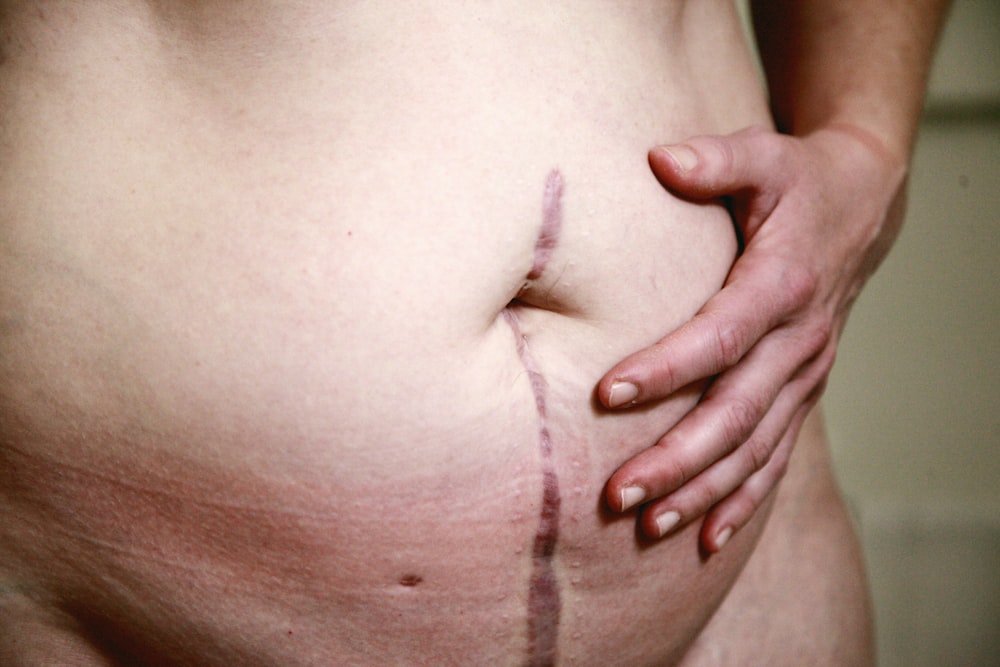
Abdominoplasty leaves permanent scars, and future pregnancies, aging, or weight changes may affect long-term results.


